Chiropractic service
Chiropractic adjustment
Hands-on care applied to specific joints, after an assessment establishes it is appropriate.
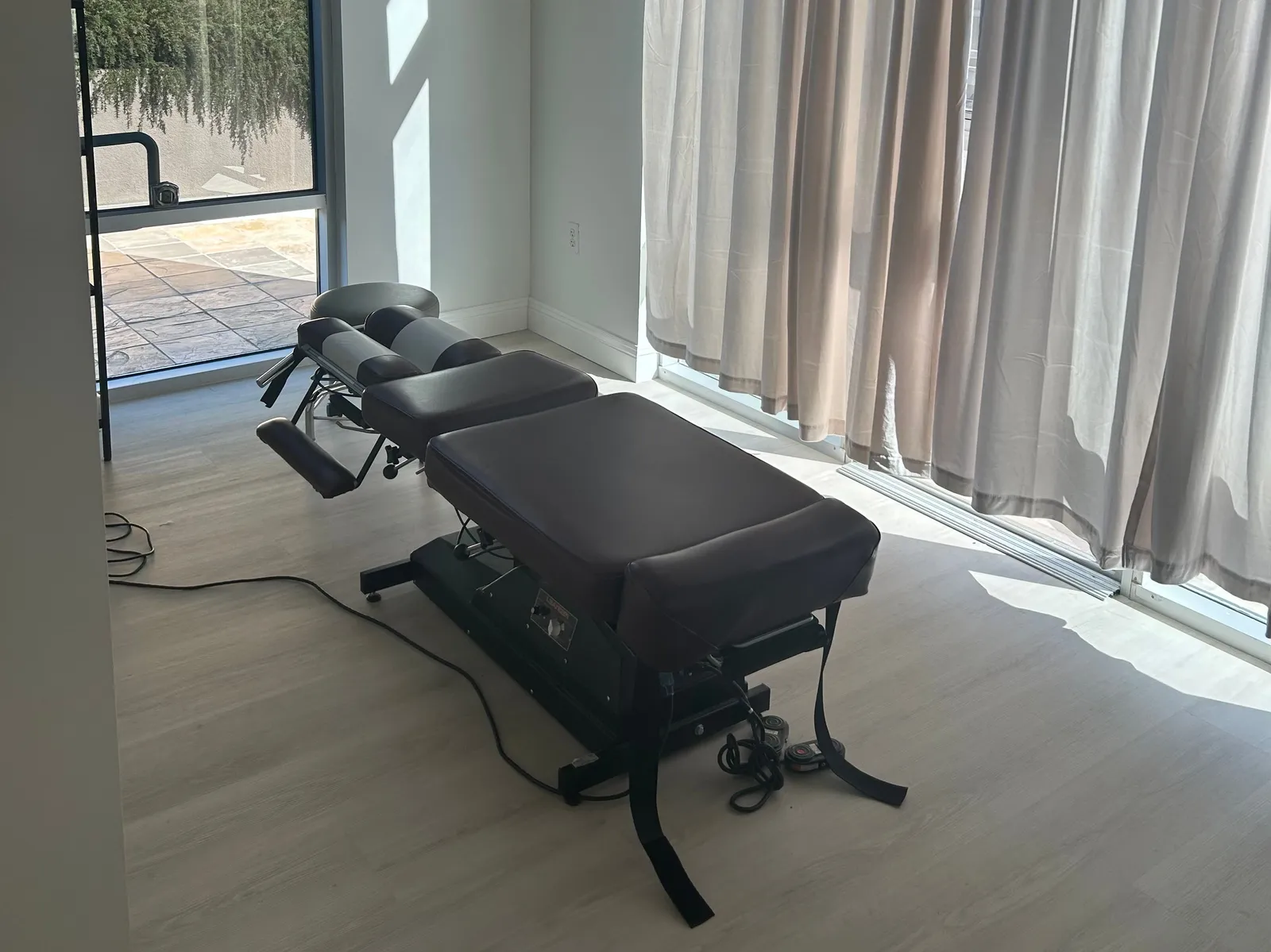
An adjustment is a controlled, hands-on technique applied to a specific joint. What it involves, how it is applied and whether it is appropriate at all depends entirely on the assessment that comes first — including your history, what you describe, and what the examination finds. Some people are better served by other approaches, and some by a referral elsewhere. That conversation happens before anything is done, and it happens with you rather than around you.
Whether this is right for you
This describes a service the practice offers. It is not advice about your situation and it is not a diagnosis. Whether this or anything else is appropriate for you is what an assessment is for, and sometimes the answer is a referral elsewhere.
Booking starts a conversation, not a course of treatment. What happens after the first assessment is decided together.
What that involves
- Assessment first, every time — including on a return visit after a change
- What the technique involves explained before it is used
- Alternatives discussed where they exist
- You can decline any part of a visit without it being a problem
Your first visit
Three steps, and none of them is a surprise
The first appointment is mostly conversation and assessment. Knowing the shape of it in advance takes most of the nervousness out of the door.
Step 1
Share what is going on
You describe what brought you in, how long it has been going on, what makes it better or worse, and what you are trying to get back to. This part is not a formality — it is what everything after it is built on.
Step 2
Receive an assessment
A structured examination: how you move, how you load, what changes with position. Each part is explained as it happens, and you can stop at any point.
Step 3
Discuss an individualized care plan
You are told what was observed, what is suggested, what the alternatives are, and what would make the plan change. You decide what happens next, including deciding not to.
One thing worth saying plainly
Not every first visit includes hands-on care. Whether an adjustment or any other technique is appropriate is what the assessment is for, and sometimes the right answer is a referral elsewhere.
In most cases no, you can book directly. Some insurance plans do require a referral before they will cover visits, which is a question for your plan rather than for the practice — it is worth checking before your first appointment if you intend to use insurance.
Not necessarily. The first visit is about understanding what is going on and assessing it. Whether hands-on care is appropriate, and which kind, is what the assessment is for — and sometimes the right answer is a referral to someone else.
There is no honest number that can be given before an assessment, and any site that gives you one has made it up. After the assessment you will be told what is suggested and what would make that change, and the plan gets reviewed as you go rather than assumed.
Most people describe it as brief and not painful, and some people find parts of an assessment uncomfortable in the way that moving a stiff joint is uncomfortable. What you may feel is explained before anything is done, and you can stop at any point.
Ordinary clothing you can move, bend and turn in. Nothing special is needed and there is no need to change.
Start with an assessment.
Tell us what is going on and what you want to get back to. Everything after that is decided together.
Booking starts a conversation, not a course of treatment. What happens after the first assessment is decided together.