Concerns we evaluate
What people come in describing
These are the concerns most often brought to a chiropractic practice, described the way people actually describe them, along with what an assessment for each one tends to look at.
Read this first
This page is general information about what we assess. It is not a diagnosis, it is not advice about your situation, and nothing here should delay you seeking urgent care. If you have severe or sudden symptoms — including numbness, weakness, loss of bladder or bowel control, or pain after a significant injury — contact a doctor or emergency services rather than booking an appointment.
Neck and upper back
Usually described as stiffness, a limited turn, or an ache that arrives by the afternoon.
Neck stiffness and limited movement
People describe not being able to turn as far one way as the other, or waking up stiff. An assessment looks at range of movement, what changes it, how the shoulders and upper back are loading, and what your day actually asks of your neck.
Desk-related discomfort
Discomfort that appears during the working day and eases at the weekend. The assessment covers movement and load, and the conversation usually spends as much time on how the desk is set up and how often you get up from it as on anything hands-on.
Headaches associated with neck tension
Some headaches are described alongside neck tightness. An assessment looks at neck movement and the surrounding muscles, and part of the job is recognising when a headache is not something chiropractic should be looking at and saying so.
Lower back and hips
The most common reason people book, and the one with the widest range of causes.
Lower back discomfort
From a specific episode after lifting to something that built up over months. The assessment looks at how you move and load, what positions change it, and what your history suggests — and at whether this is something to look at here at all.
Discomfort that travels into the leg
Described as running down the back or side of the leg, sometimes with tingling. This one is assessed carefully, because some presentations need a medical opinion first rather than in parallel. You will be told plainly which category yours appears to fall into.
Hip and pelvis-related discomfort
Often described as one side feeling different from the other, or as discomfort that shows up when walking or standing for a while. The assessment looks at movement on both sides and at how load is shared between them.
Activity, work and everyday load
Not an injury so much as a mismatch between what the body is doing and how often it does it.
Returning to exercise after a break
Discomfort that appears when activity restarts, or increases faster than the body adapts. The assessment covers movement and load, and the plan is usually as much about pacing as about anything done in the room.
Repetitive physical work
Trades, driving, lifting, standing all day. The assessment looks at what the job actually asks of you and where that is landing, and the useful part is often what changes between appointments rather than during them.
Discomfort during pregnancy
Assessed with care and in coordination with your maternity care, not instead of it. Whether care here is appropriate at all is a conversation that involves your other providers.
Your first visit
Three steps, and none of them is a surprise
The first appointment is mostly conversation and assessment. Knowing the shape of it in advance takes most of the nervousness out of the door.
Step 1
Share what is going on
You describe what brought you in, how long it has been going on, what makes it better or worse, and what you are trying to get back to. This part is not a formality — it is what everything after it is built on.
Step 2
Receive an assessment
A structured examination: how you move, how you load, what changes with position. Each part is explained as it happens, and you can stop at any point.
Step 3
Discuss an individualized care plan
You are told what was observed, what is suggested, what the alternatives are, and what would make the plan change. You decide what happens next, including deciding not to.
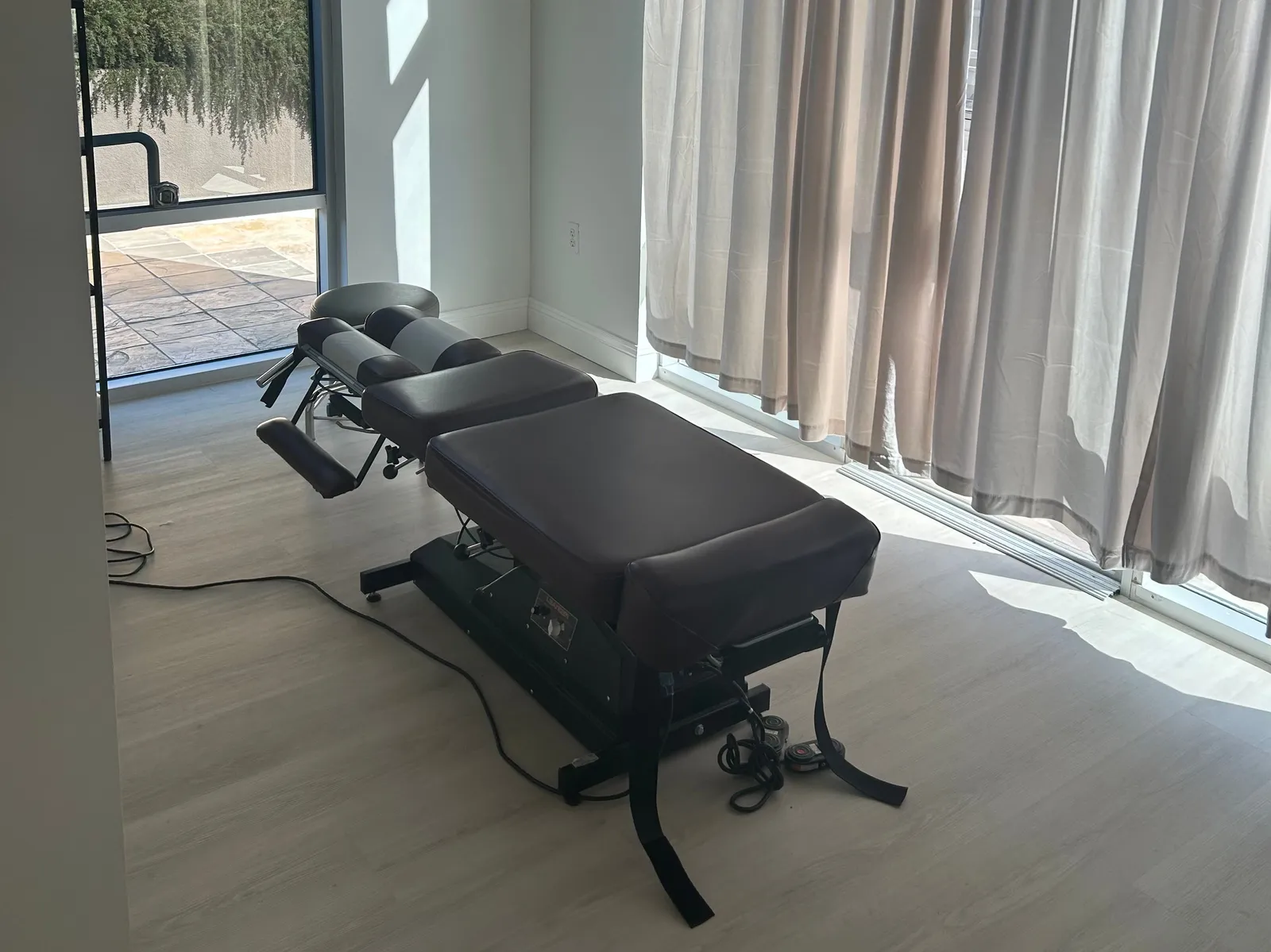
One thing worth saying plainly
Not every first visit includes hands-on care. Whether an adjustment or any other technique is appropriate is what the assessment is for, and sometimes the right answer is a referral elsewhere.
Start with an assessment.
Tell us what is going on and what you want to get back to. Everything after that is decided together.
Booking starts a conversation, not a course of treatment. What happens after the first assessment is decided together.